SUMMARY
Lenford Homes was modernizing and consolidating its internal applications into a single platform. With over 300 internal tools and multiple teams designing independently, the company lacked a consistent visual and interaction language. This project focused on creating a scalable design system to standardize UI, accelerate delivery, and improve usability across products.
TEAMS
US-Based Real Estate Company (Fortune 500, NDA)
Designers, Engineers, Project Managers, Client Leadership
IMPACT
60-65% reduction in time to complete the first screen of a new platform - from 4 hr to 1.5 hrs.
20-30 hours saved for new platform design
7 existing and pipeline platforms developed using the new system, ensuring consistency.
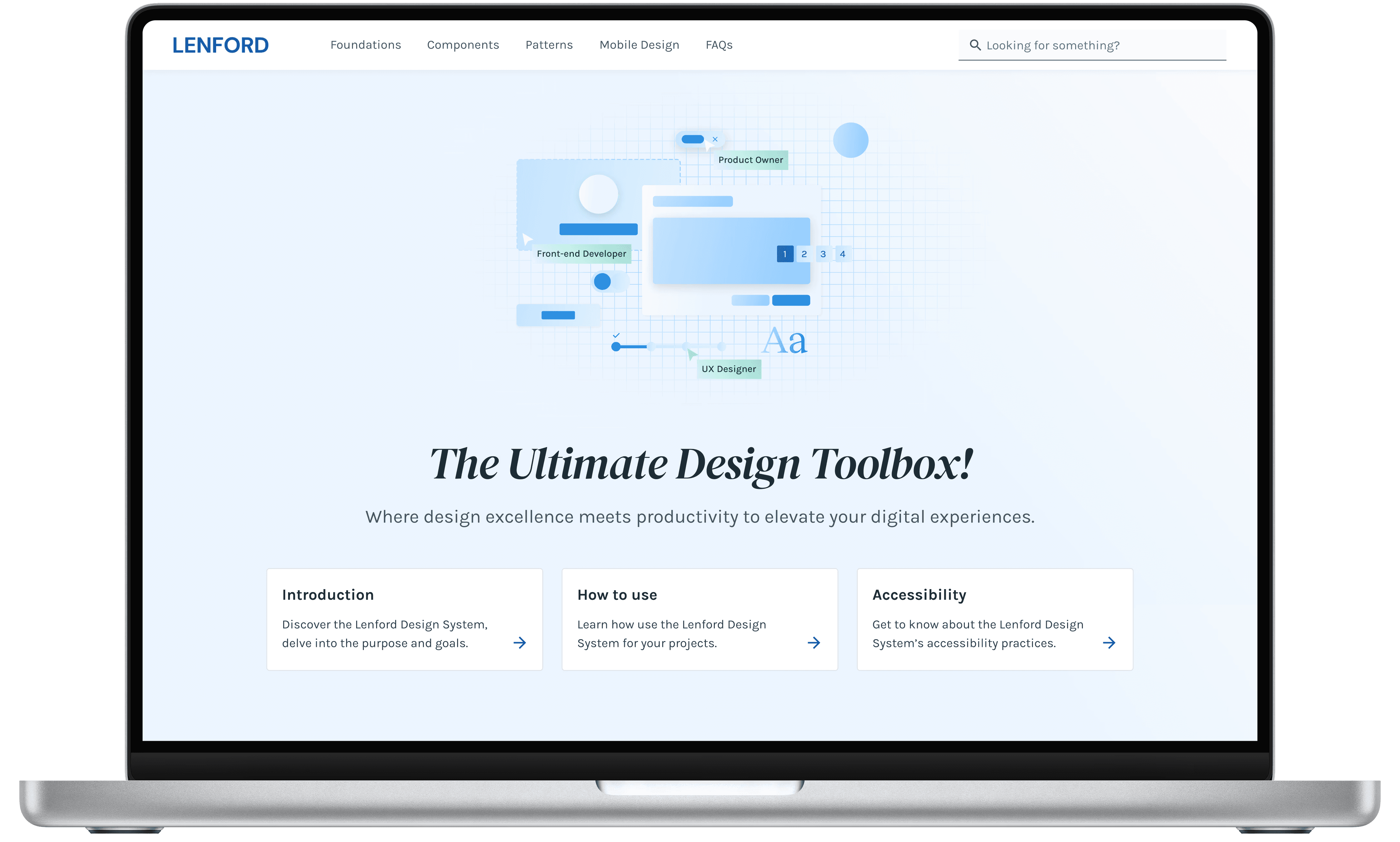
MY ROLE
Lead designer from the contracting team
Owned key foundations and core components
Defined documentation standards
Collaborated with client design leadership
Partnered with developers for future implementation
CONTEXT
Fragmented UI Patterns
Over 100 internal applications had different layouts, interactions, and visual styles
Inconsistent brand experience
Lenford’s brand was diluted as each tool looked and felt disconnected from the others
Teams spent time reinventing components and hunting for guidelines instead of building
No shared design OR development foundation
Designers and developers had no single source of truth for UI patterns, branding, or behaviour
Poor employee experience
Lenford Home employees had to constantly relearn interfaces when switching between applications
OUR GOAL
SHIP FAST
Build a usable design system within a tight, real-world timeline using design sprints and phases
ALIGN TEAMS
Establish a single source of truth for designers, developers and business stakeholders
ENABLE RESUSE AT SCALE
Support multiple product teams and internal tools with shared components
ENSURE ACCESS AND ADOPTION
Make the system discoverable and usable through an internal website
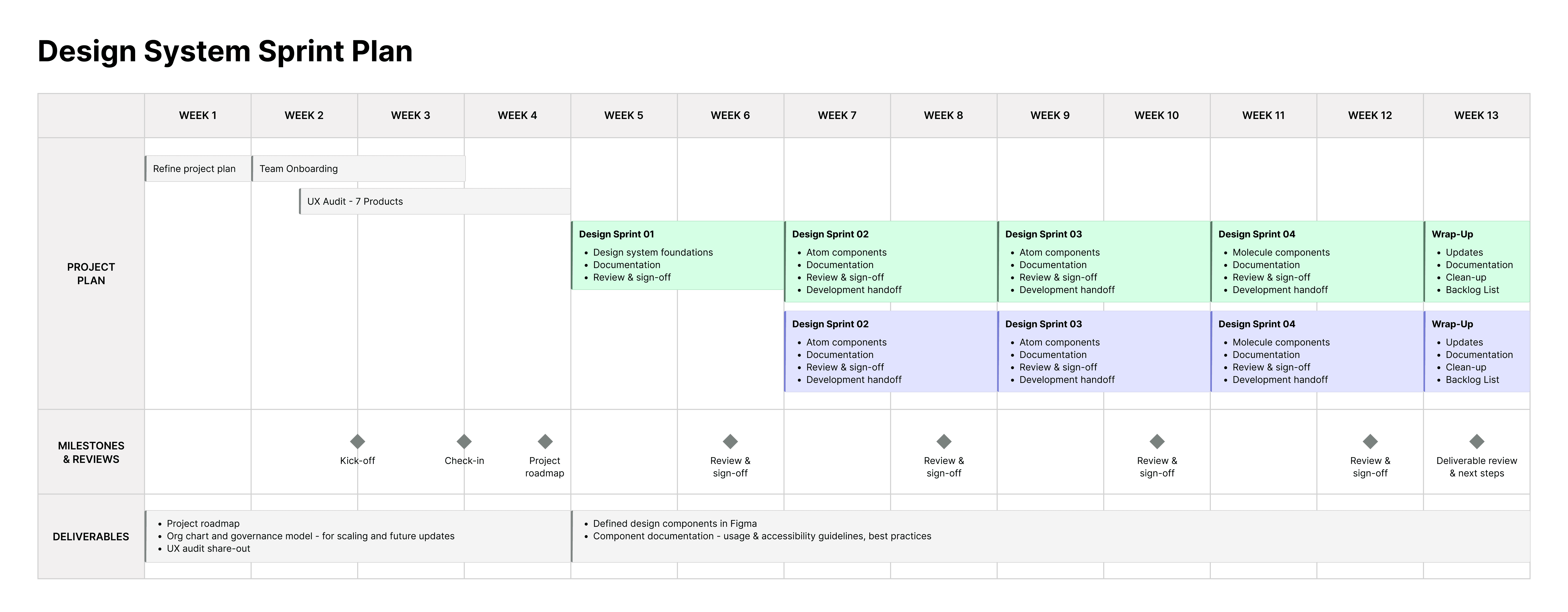
SPRINT PLAN
DISCOVERY
1
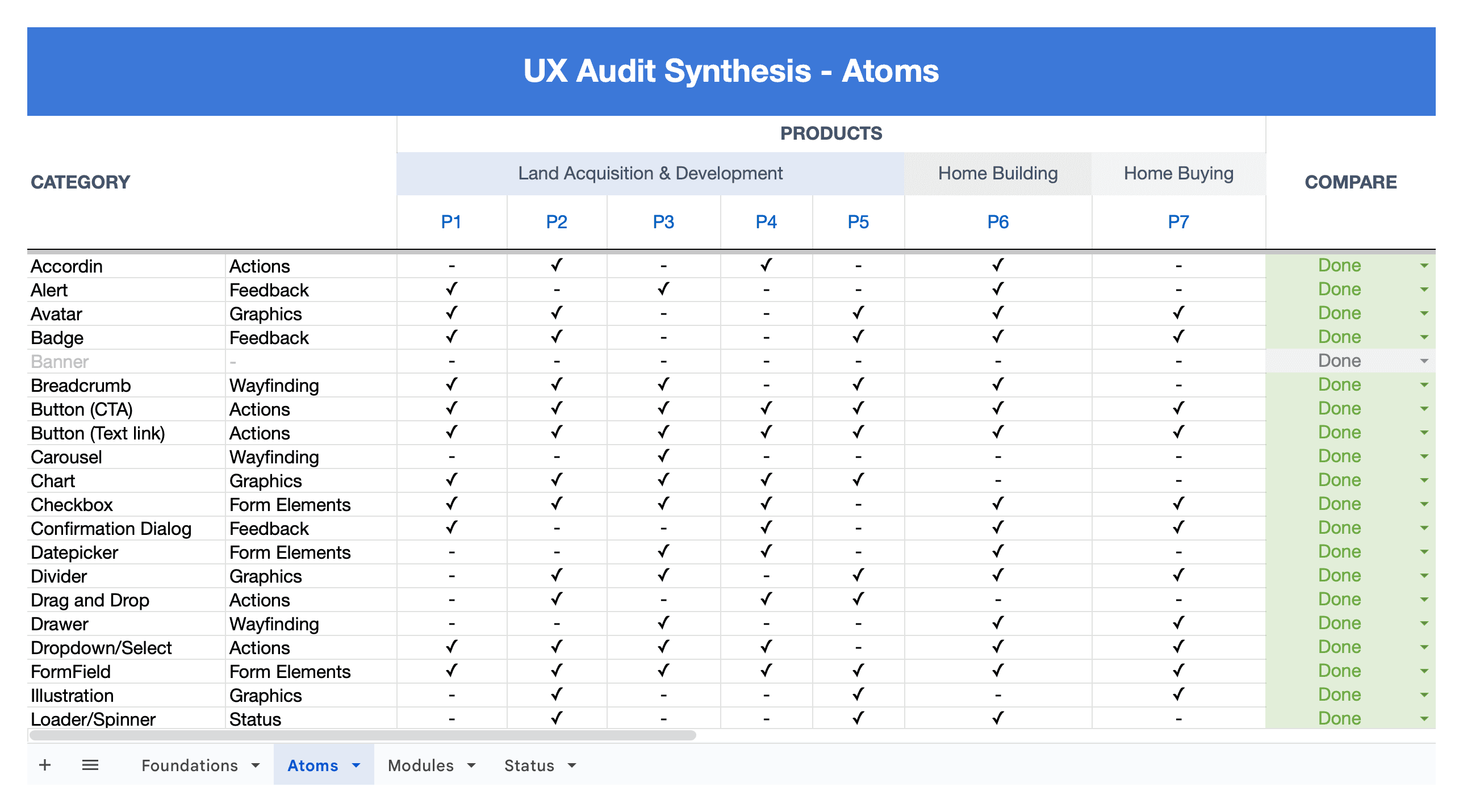
UI AUDIT
Reviewed 7 ongoing & pipeline internal applications
2
PATTERN MINING
Identified the most common components and flows
3
GAP ANALYSIS
Flagged inconsistencies and usability issues
4
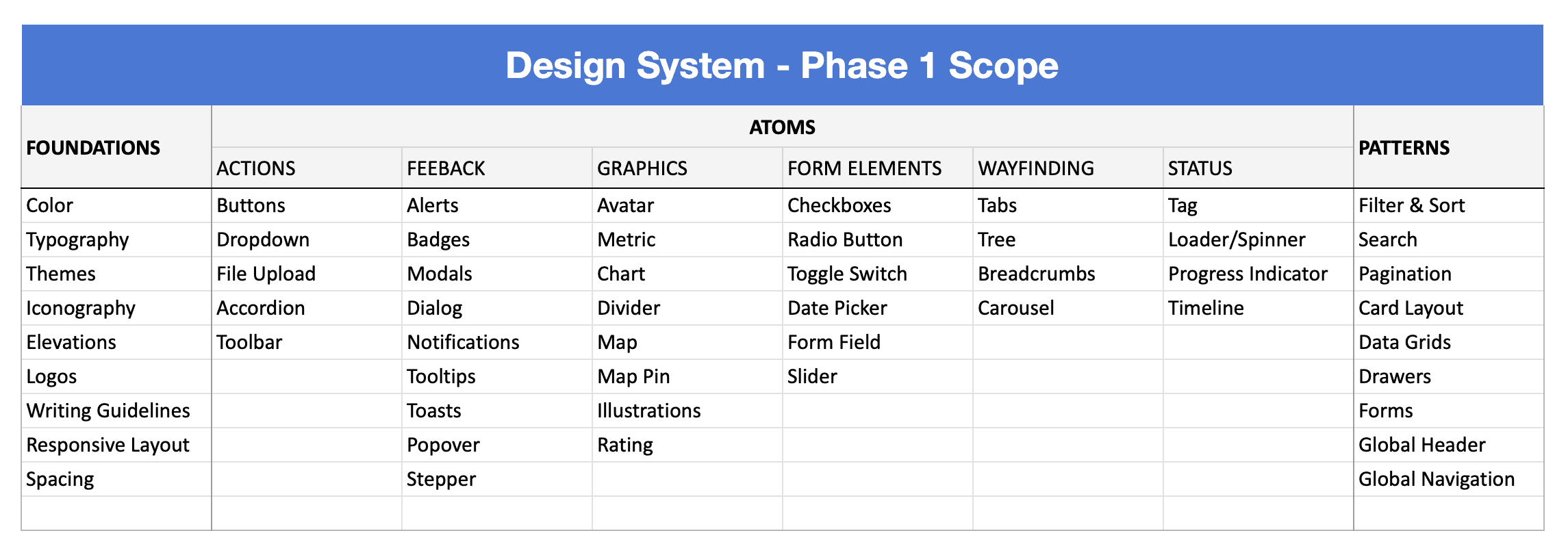
SCOPE DEFINITION
Prioritised components to include in the first phase
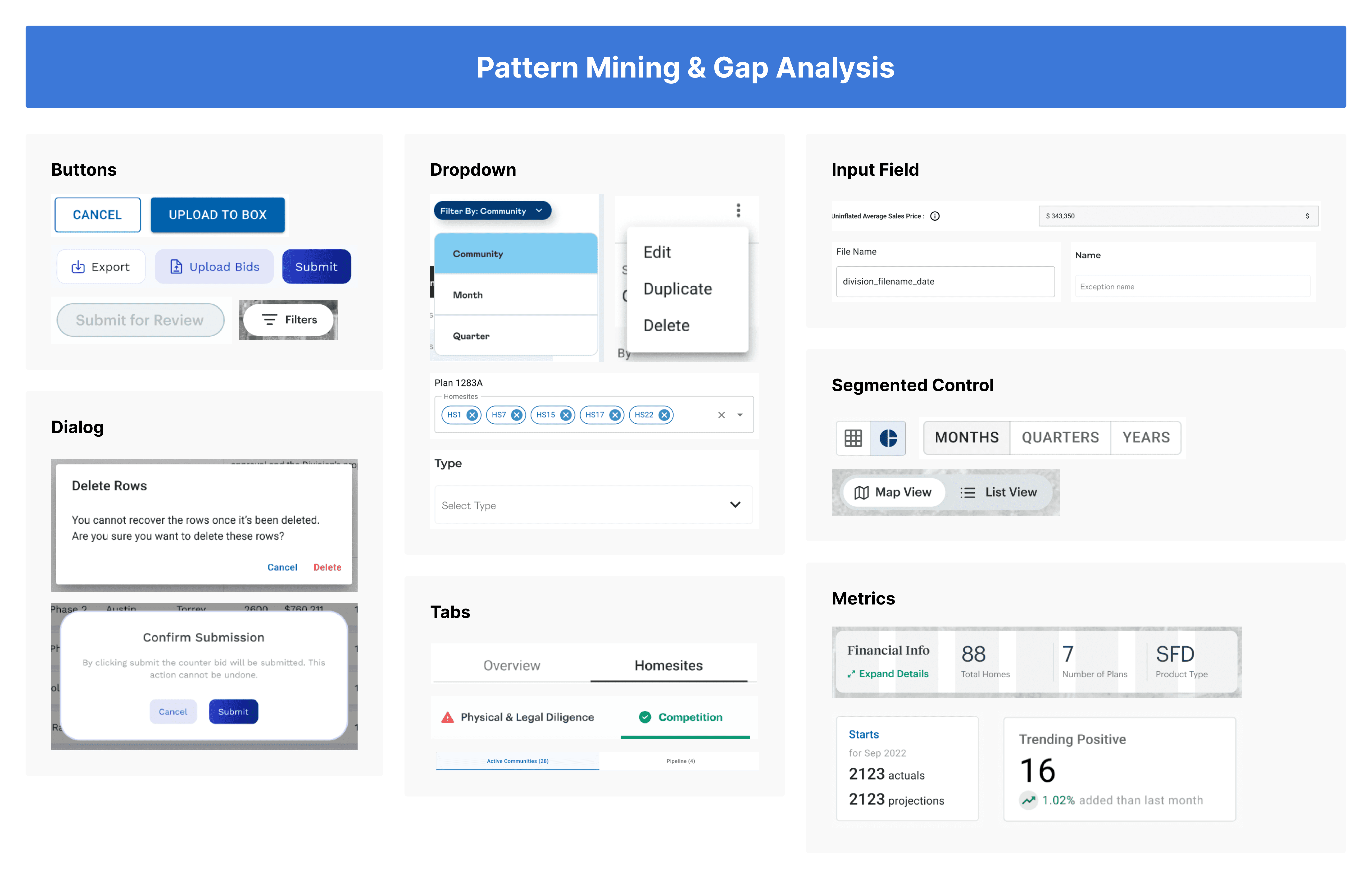
DESIGN SYSTEM
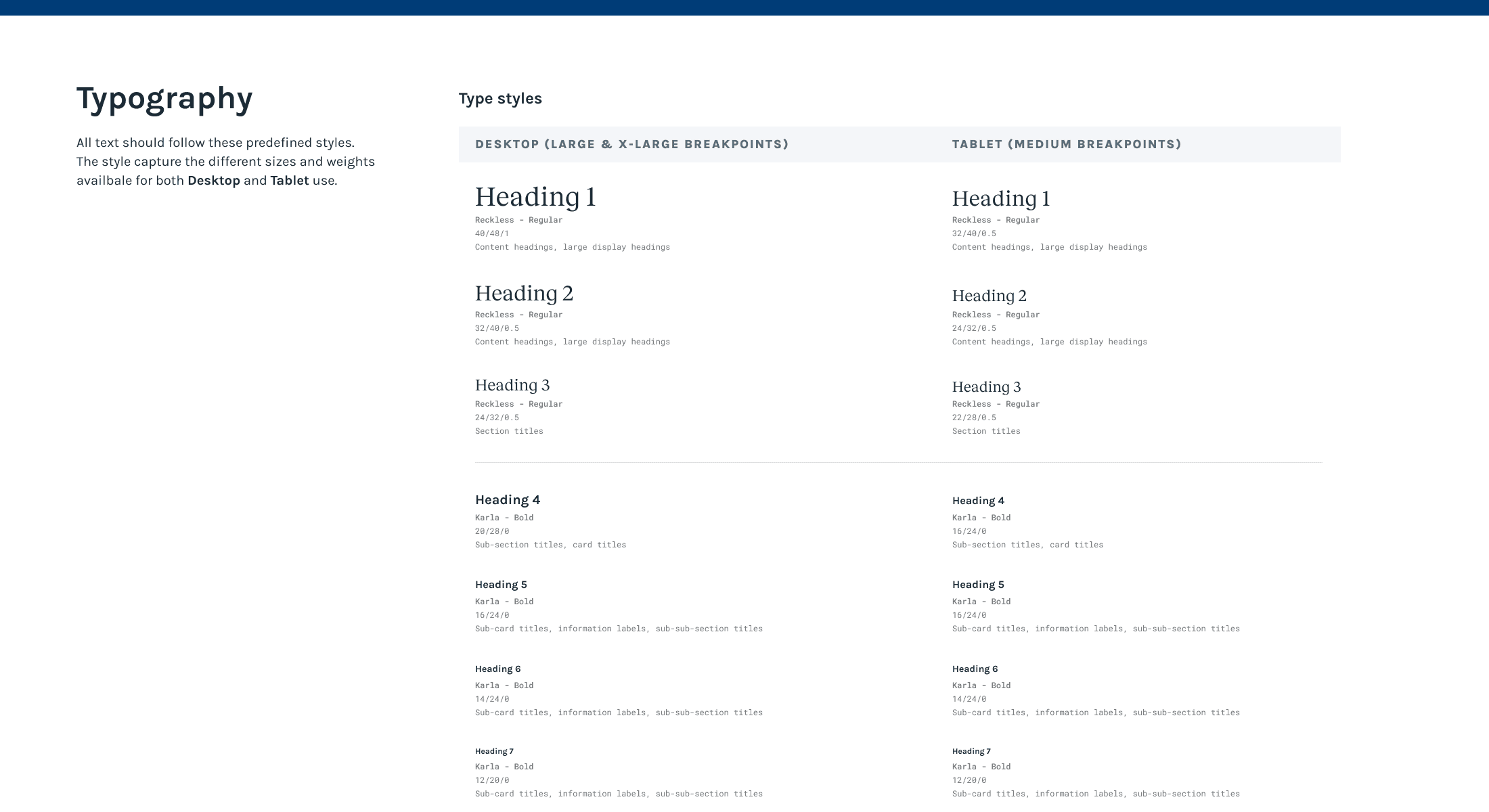
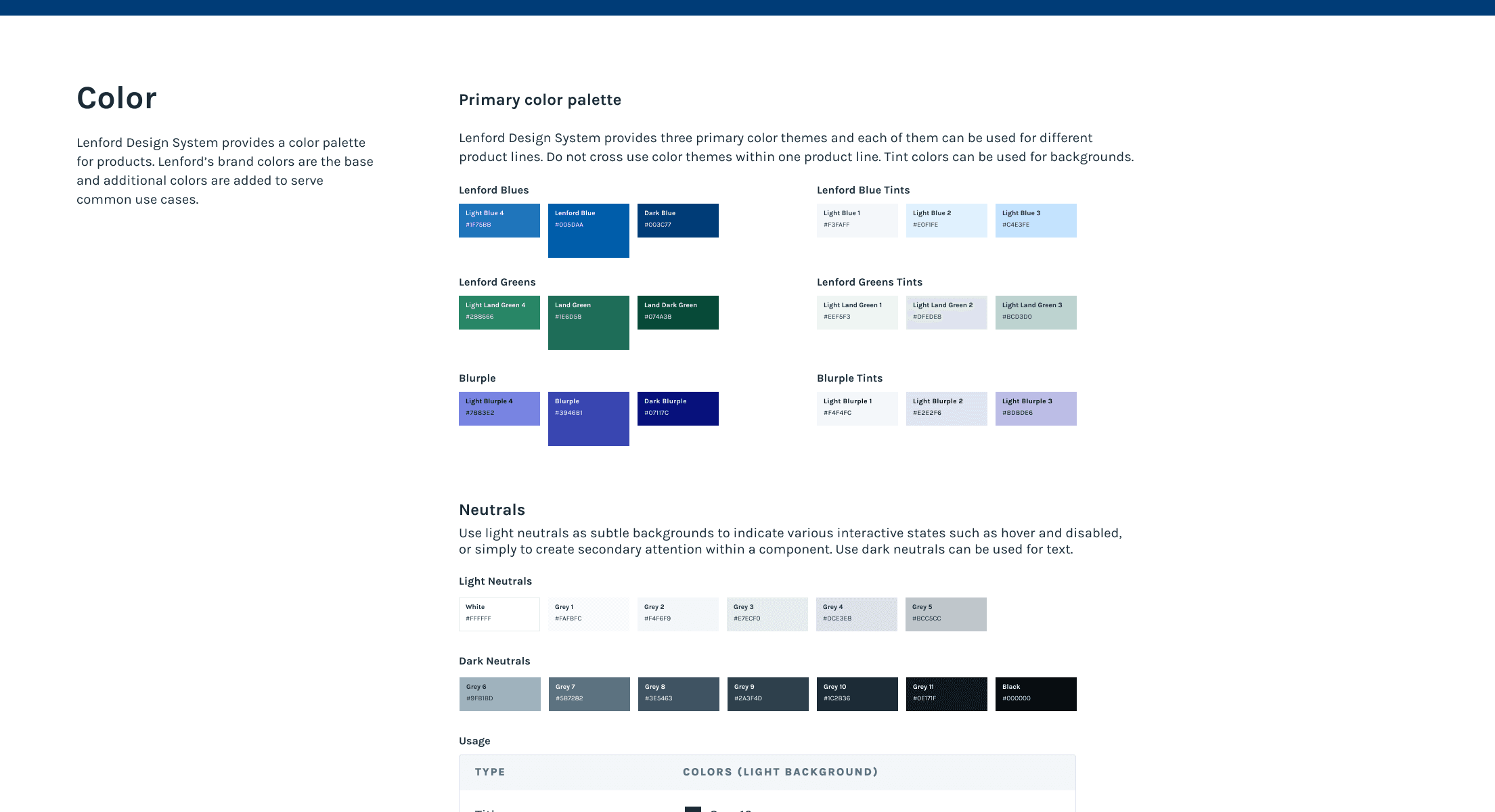
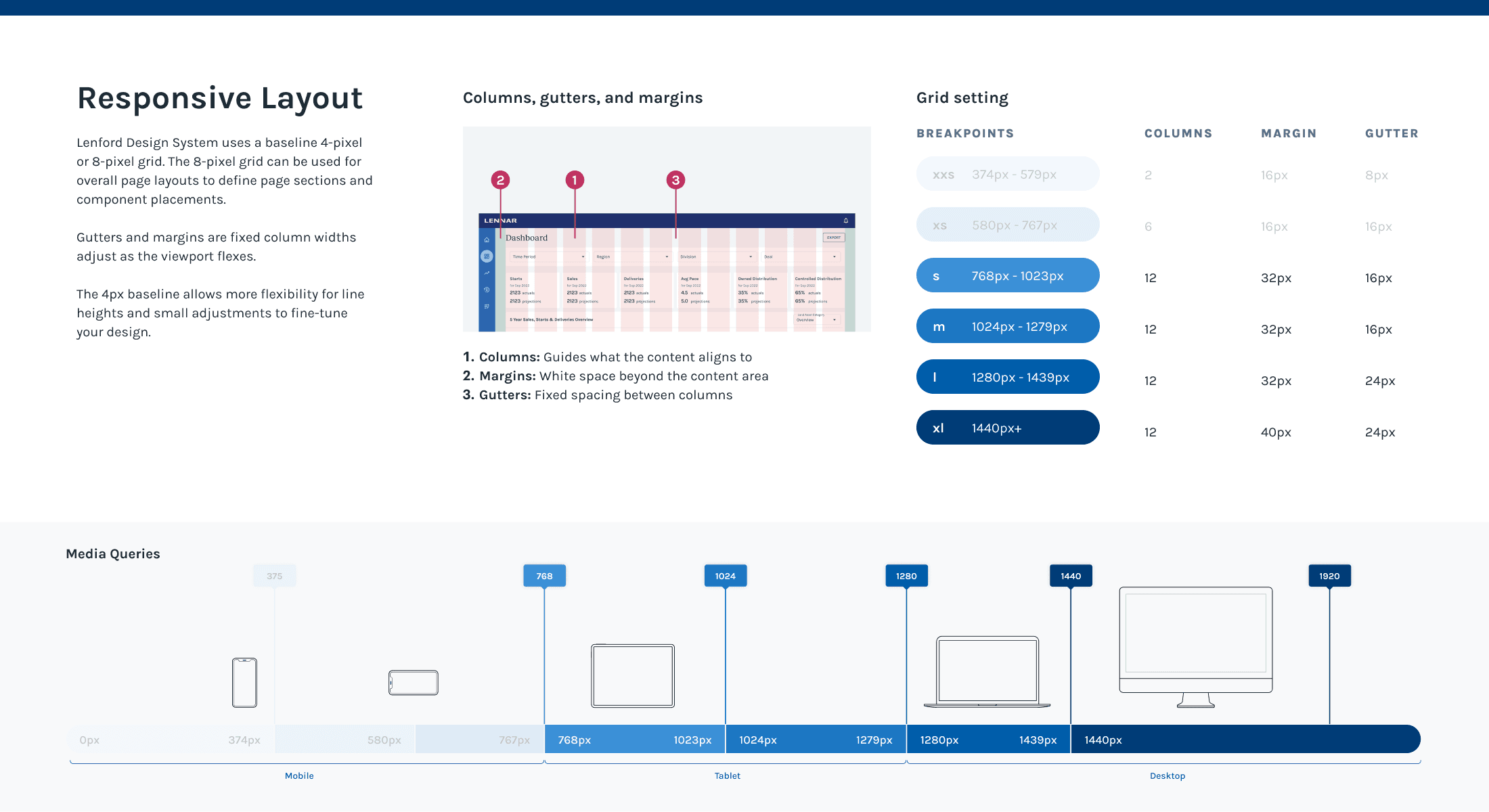
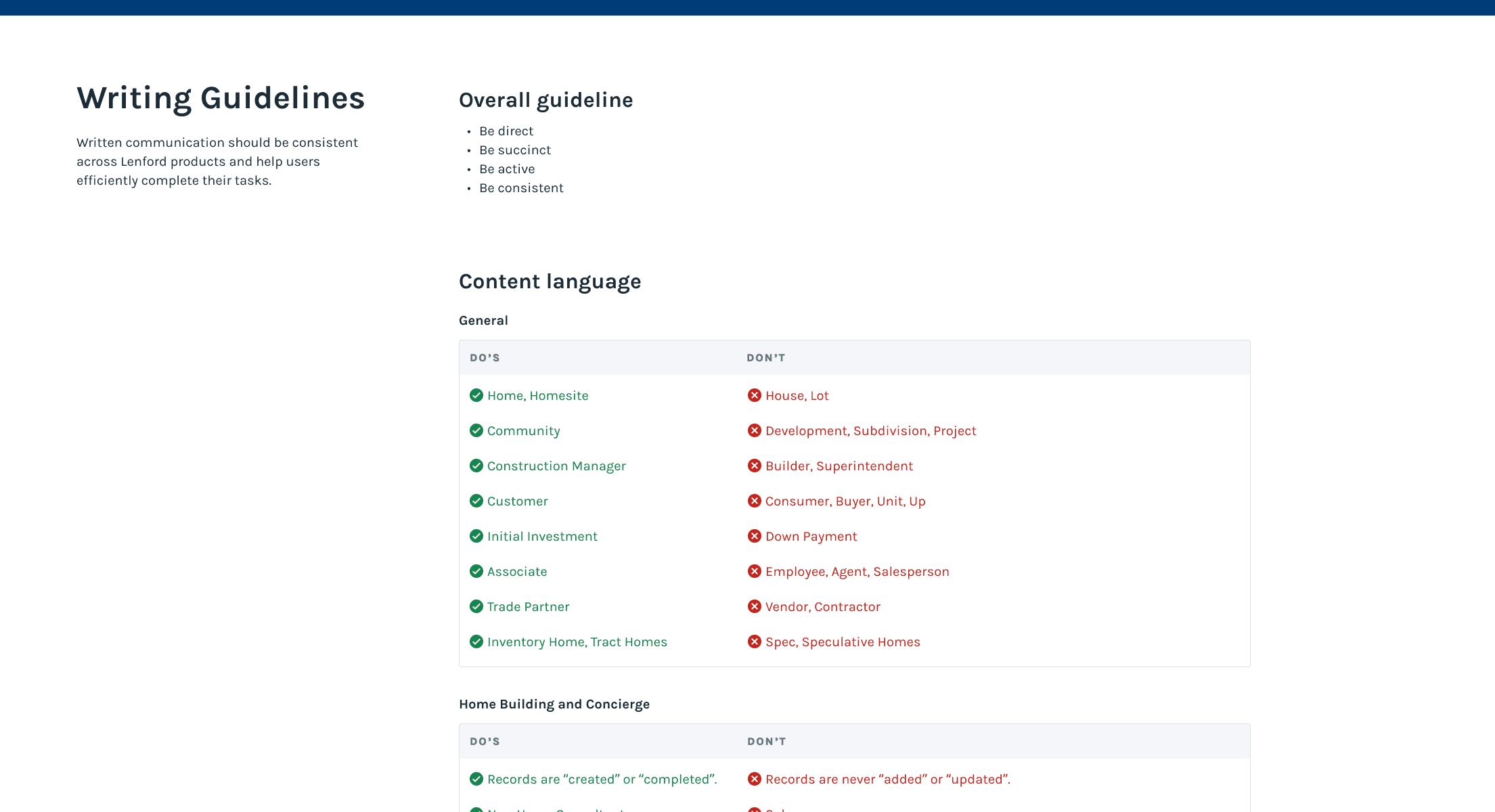
DESIGN SYSTEM
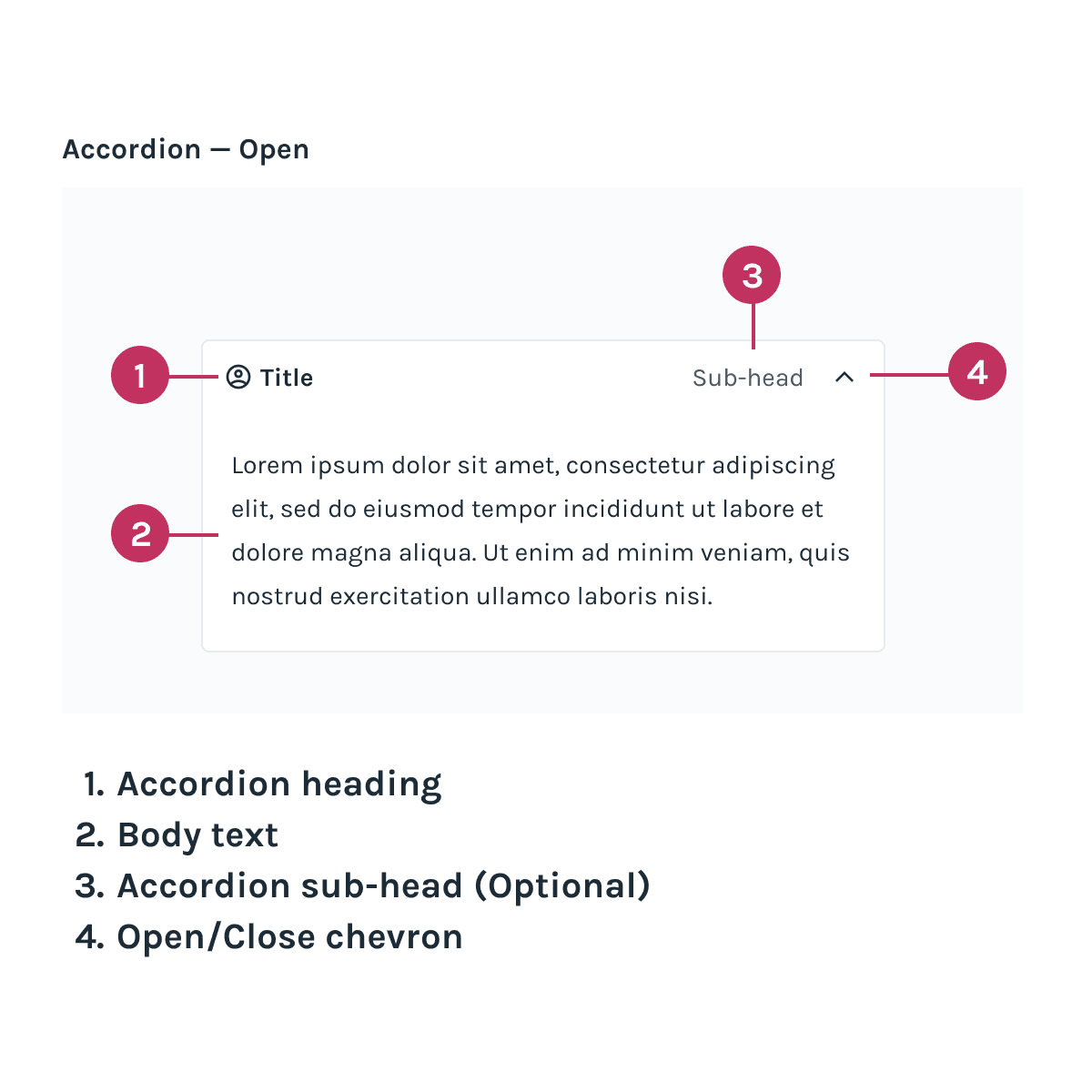
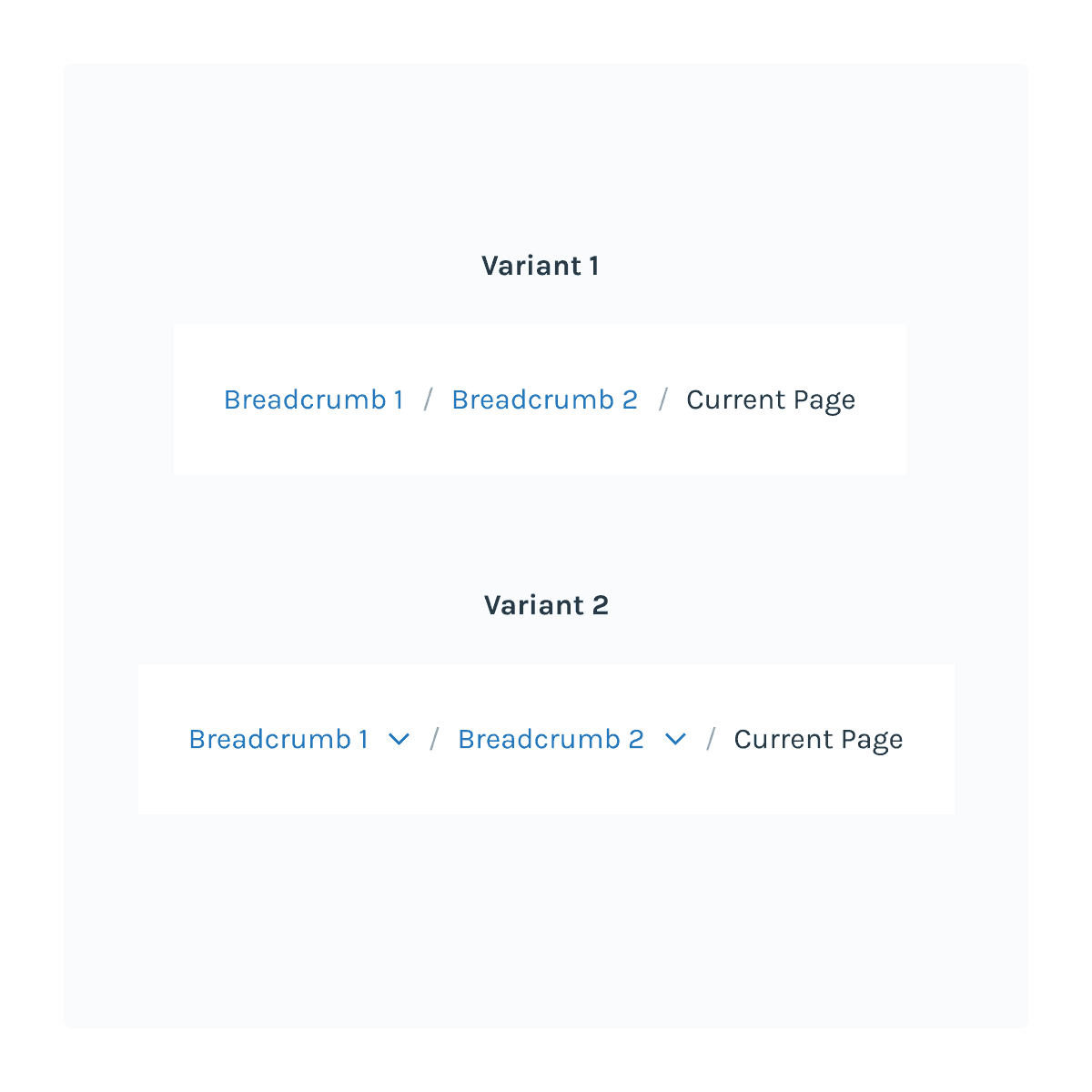
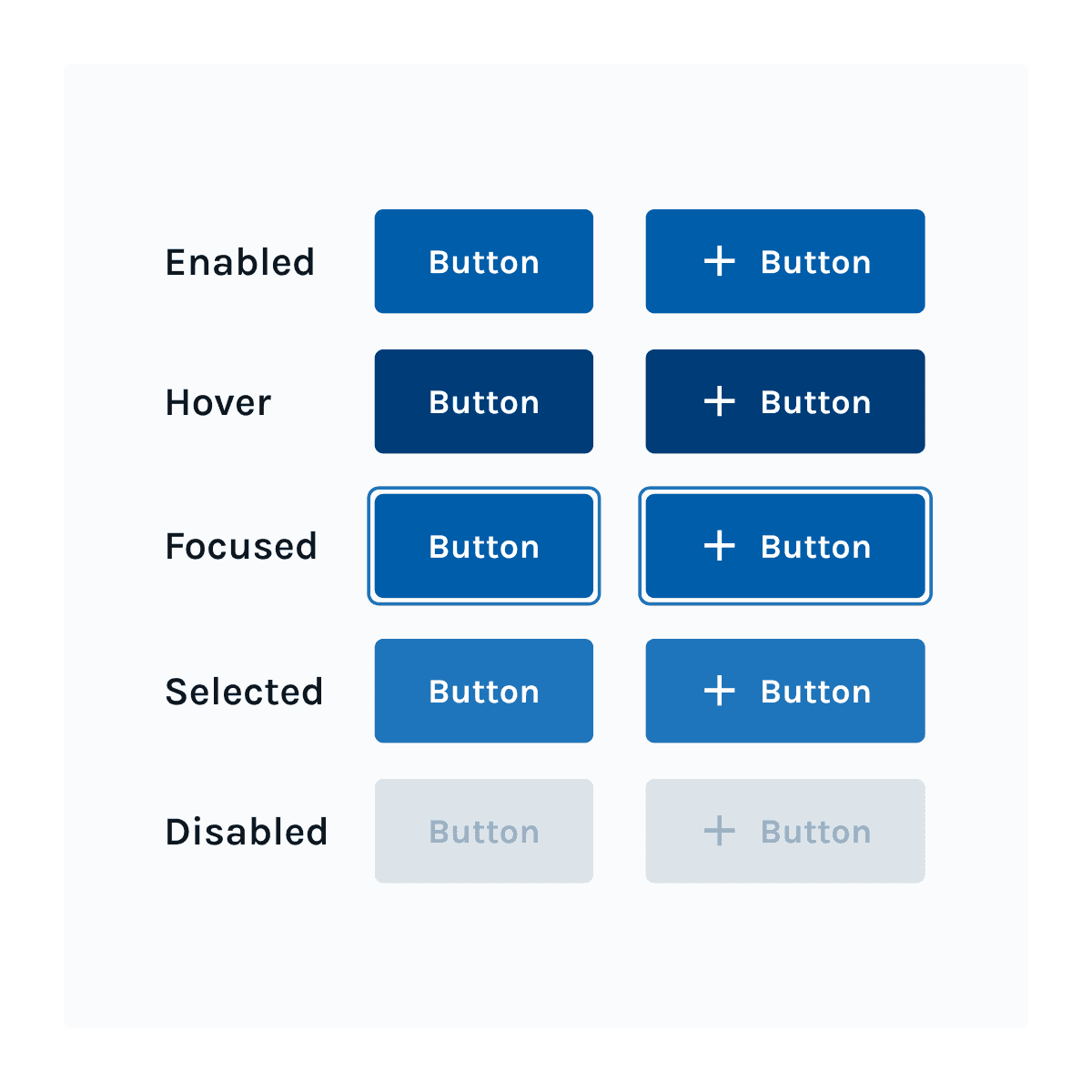
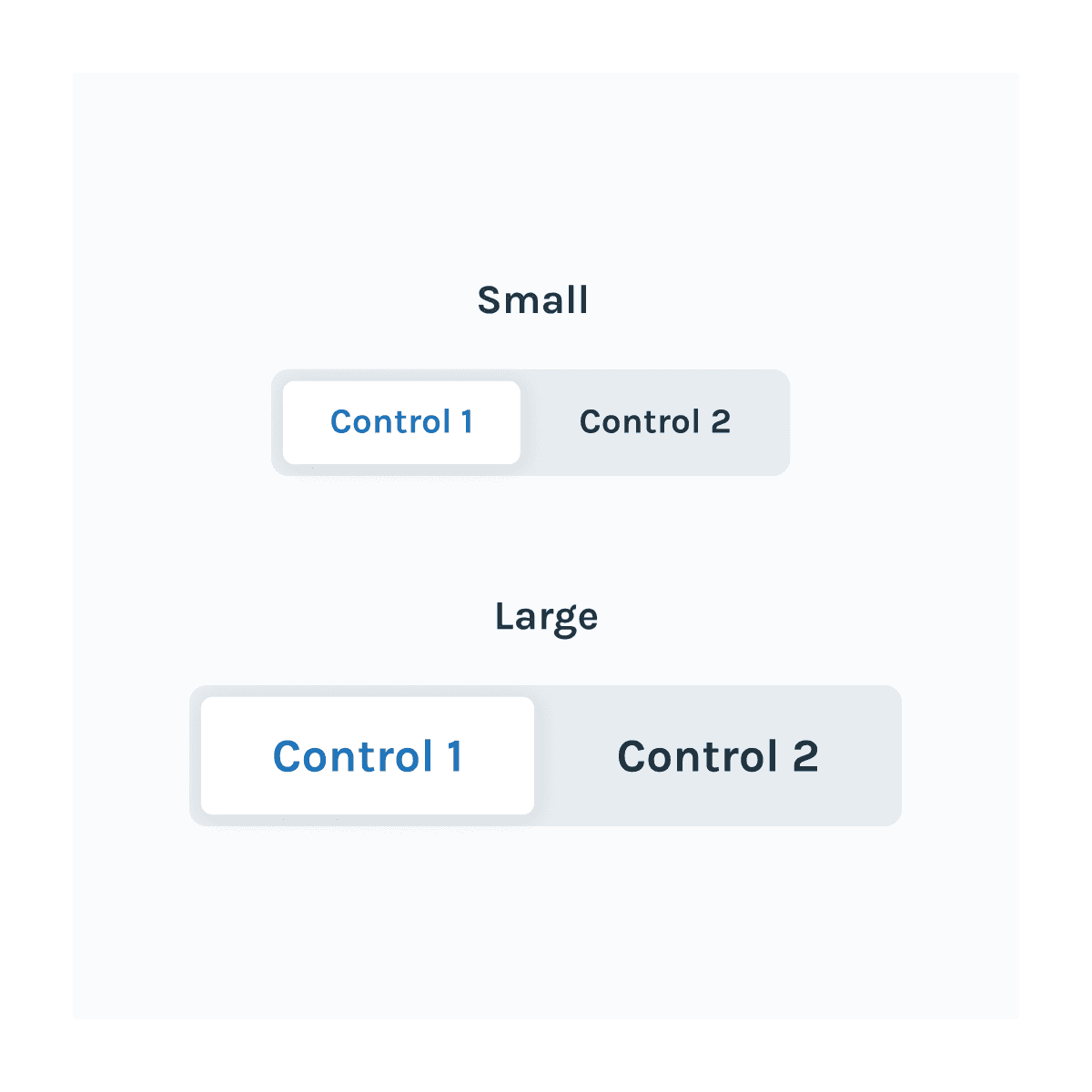
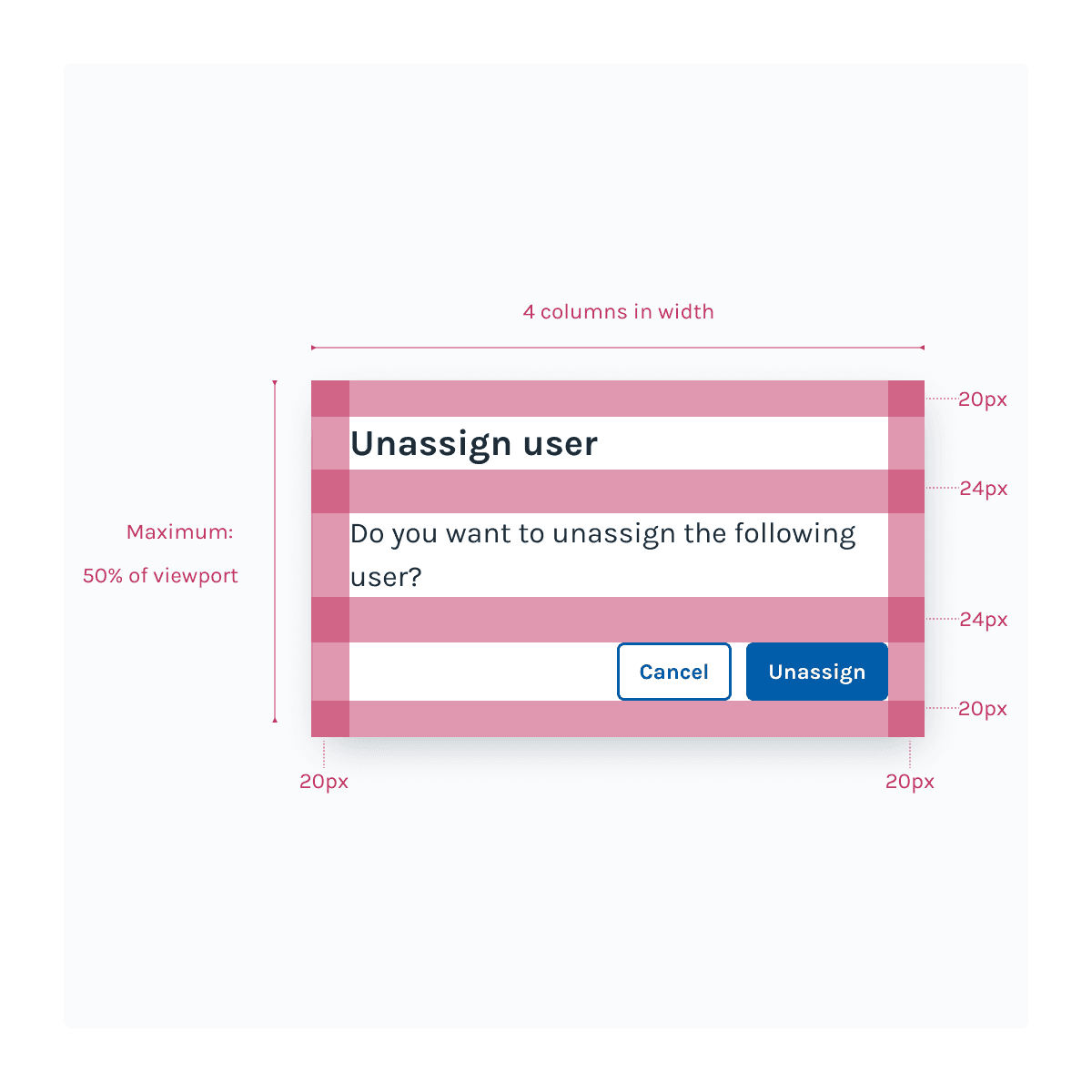
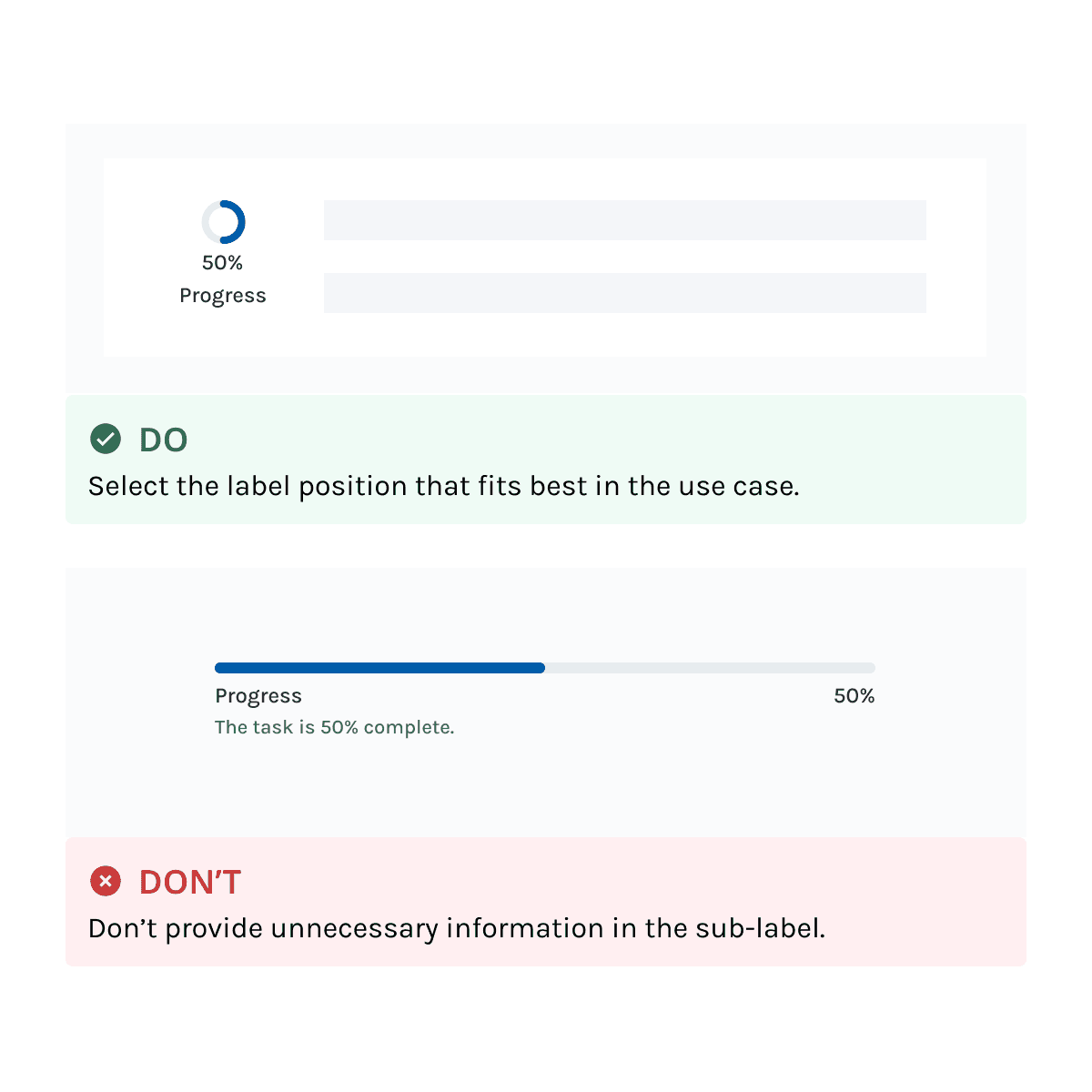
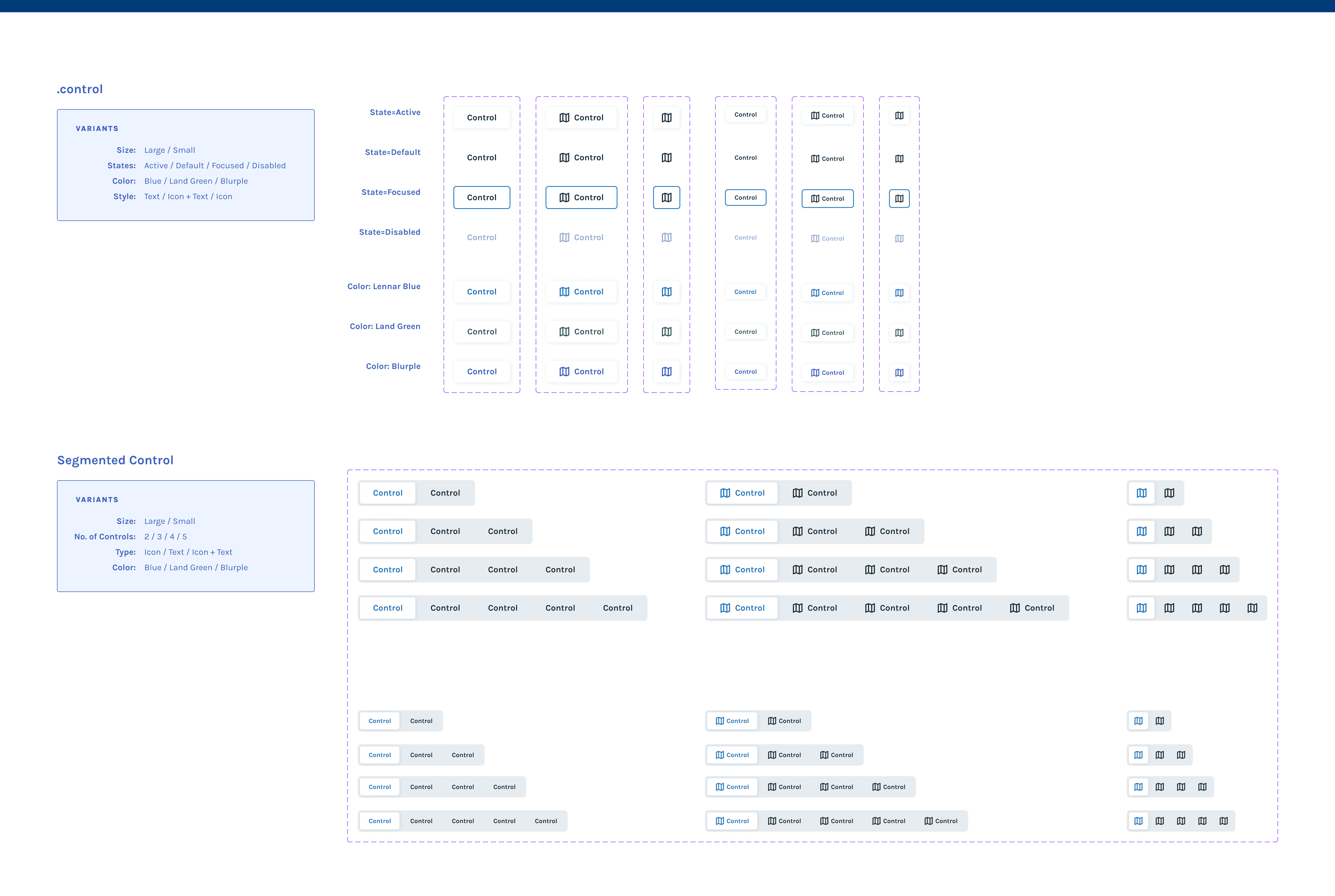
COMPONENT LIBRARY
THE WEBSITE
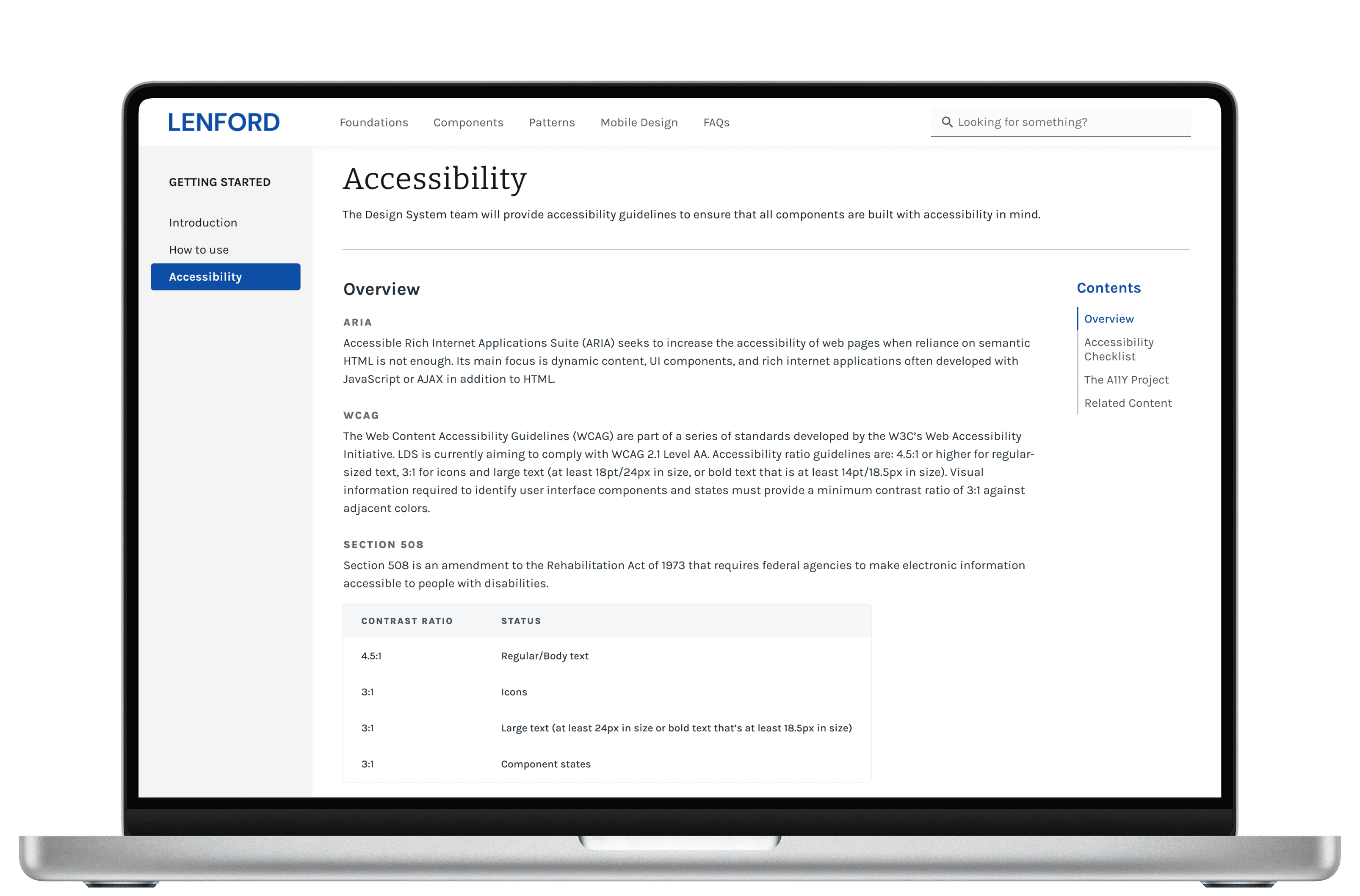
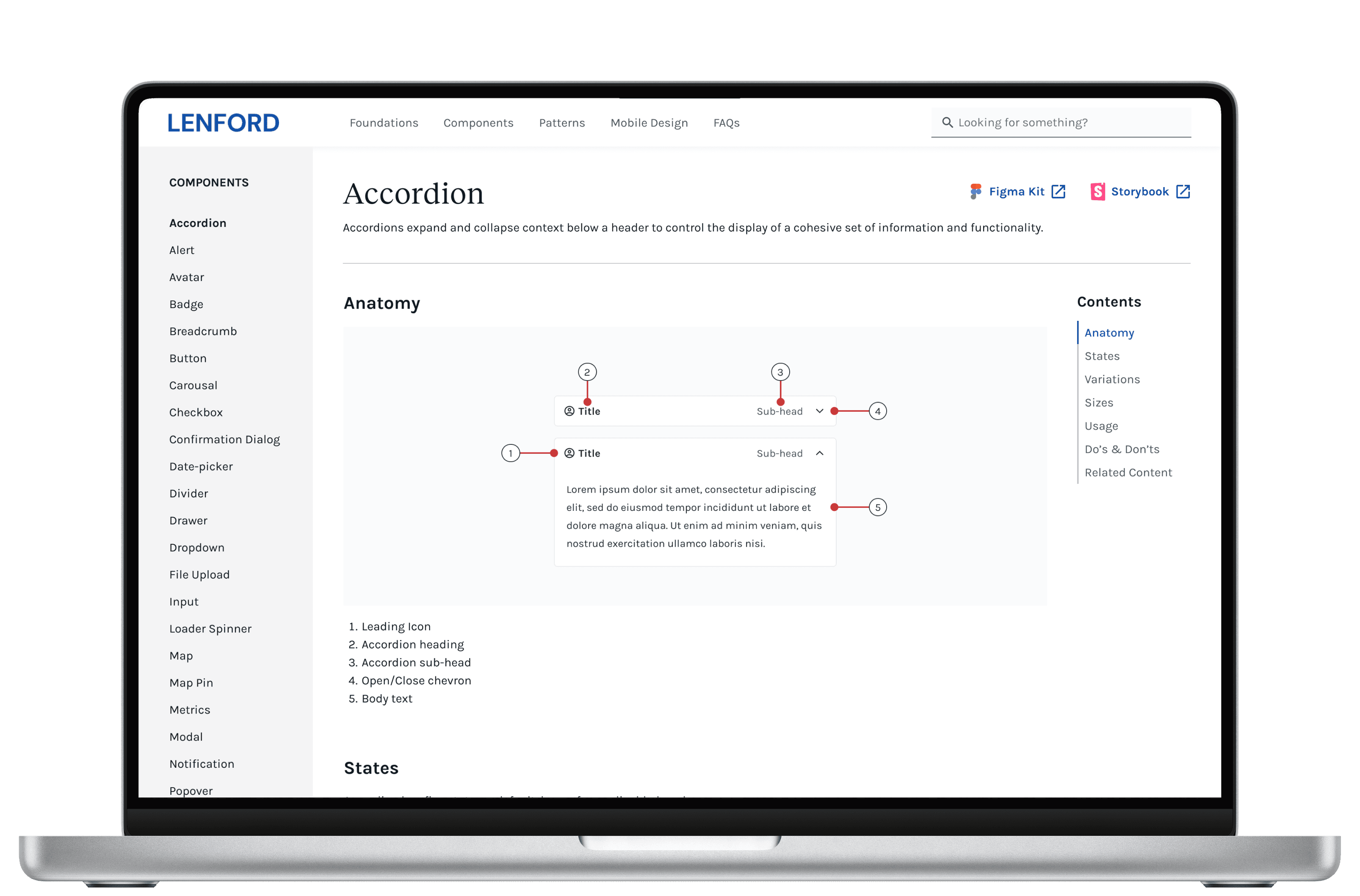
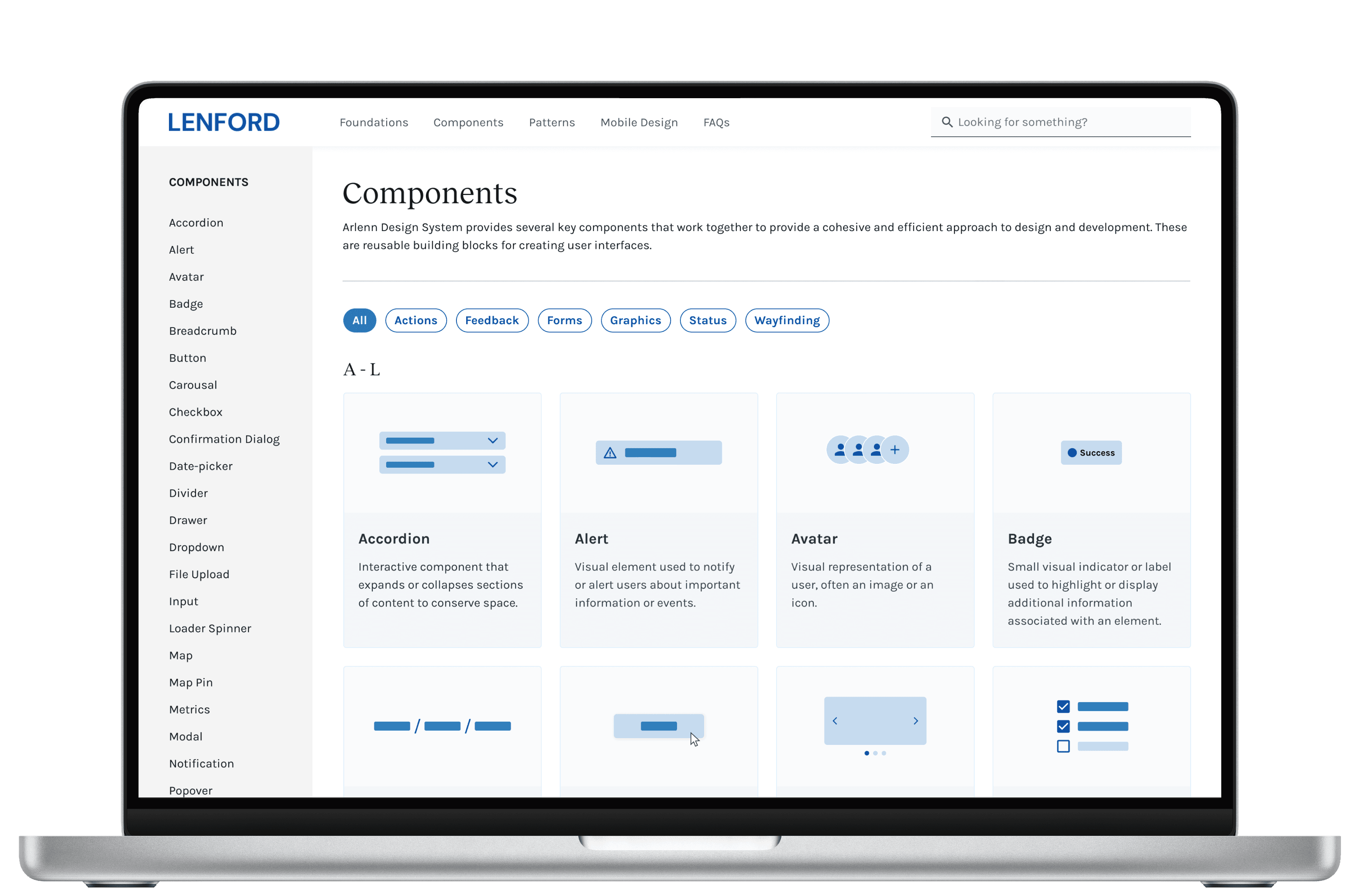
IMPACT
60-65% reduction in time to complete the first screen of a new platform - from 4 hr to 1.5 hrs.
20-30 hours saved for new platform design
7 existing and pipeline platforms developed using the new system, ensuring consistency.
REFLECTIONS
Speed enabled delivery, but limited validation and flexibility
Components were built and documented rapidly, with limited real-world testing across applications before expansion.
Early decisions became rigid
As the system grew quickly, foundational choices (tokens, structures, naming) became harder to evolve.
Parallel execution reduced depth
Dividing ownership improved speed, but limited collective critique and cross-component cohesion
Sprint-driven approach vs system thinking
The sprint model prioritized output, while design systems require slower iteration, validation, and architectural alignment